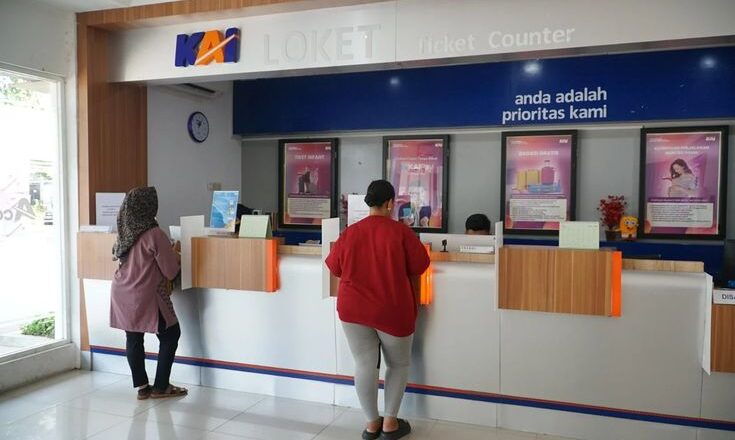
In today’s fast-paced world, public service locations are evolving beyond traditional government offices. They’re becoming dynamic, community-centered hubs that blend accessibility, technology, and human-centered design to better serve residents. From libraries offering free Wi-Fi and digital literacy workshops to municipal centers with self-service kiosks and multilingual support, these spaces are redefining what it means to be “public.”
What makes a public service location truly effective? It’s not just about convenience—it’s about inclusivity, responsiveness, and security. Communities thrive when everyone, regardless of background or ability, can easily access permits, health resources, voting information, or emergency aid. Modern service centers are also integrating digital systems to reduce wait times and improve accuracy, all while safeguarding sensitive personal data.
For organizations managing these public-facing operations, secure communication tools are non-negotiable. A trusted, encrypted webmail platform ensures that citizen inquiries, official documents, and internal coordination remain protected from cyber threats. One such solution designed with reliability and security in mind is available at https://www.bluelinesecuritysolutions.com/webmail/.
Moreover, well-designed public service locations foster civic pride and participation. When people feel welcomed and respected, they’re more likely to engage with local governance, attend community meetings, or volunteer. Strategic placement—near transit routes, schools, or residential zones—further boosts accessibility, especially for elderly residents or those without private transportation.
Looking ahead, the future of public service lies in seamless integration: physical spaces backed by smart tech, empathetic staff empowered by secure tools, and policies shaped by real community feedback. By investing in both infrastructure and digital trust, cities can build service ecosystems that are not only functional but truly human.
After all, a public service location isn’t just a place to file paperwork—it’s a cornerstone of democracy in action.